- The Foundation of Aztec Foods: The Three Sacred Staples
- Everyday Aztec Foods: The Aztec Larder
- Aztec Food and Class: Status and Power
- Aztec Food's Treasure: Cacao—The Bean That Built Empires
- Aztec Food's Sacred Drink: Xocolatl
- Authentic Xocolatl Recipe
- Aztec Food's Darker Realities: When Food Met Fate
- Aztec Food's Legacy: Then and Now
The Aztec diet reveals far more than what people ate—it exposes their social hierarchy, religious beliefs, and the stark realities of living in a complex empire. From sacred corn ceremonies to ritual cannibalism, the Aztec food system was never simply sustenance. It was power, status, and spirituality woven into every meal.
The Foundation of Aztec Foods: The Three Sacred Staples
Maize (Corn): The Gift of the Gods
Corn (maize) was the staple crop of the Aztec empire, eaten at almost every meal, either in the form of flat, thin, round cakes (tortillas) or as tamales, both dunked in sauce; or as atolli, a cornmeal porridge or mush, sometimes flavored with honey.
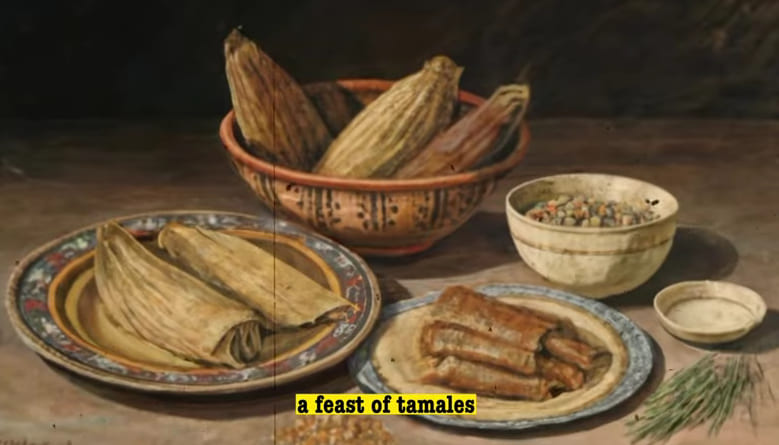
Maize wasn’t merely practical—it was sacred. The Aztecs developed a sophisticated nixtamalization process (soaking corn in lime) that increased nutritional value and made calcium bioavailable. This knowledge made their diet nutritionally superior to many contemporary civilizations.
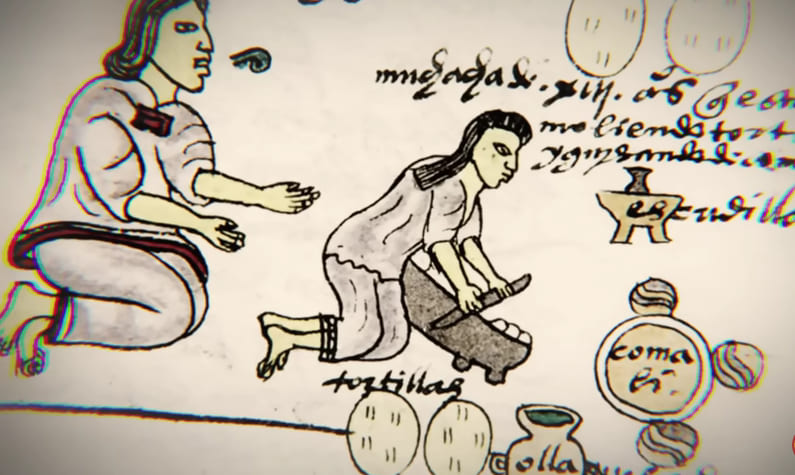
Beans: The Protein Foundation
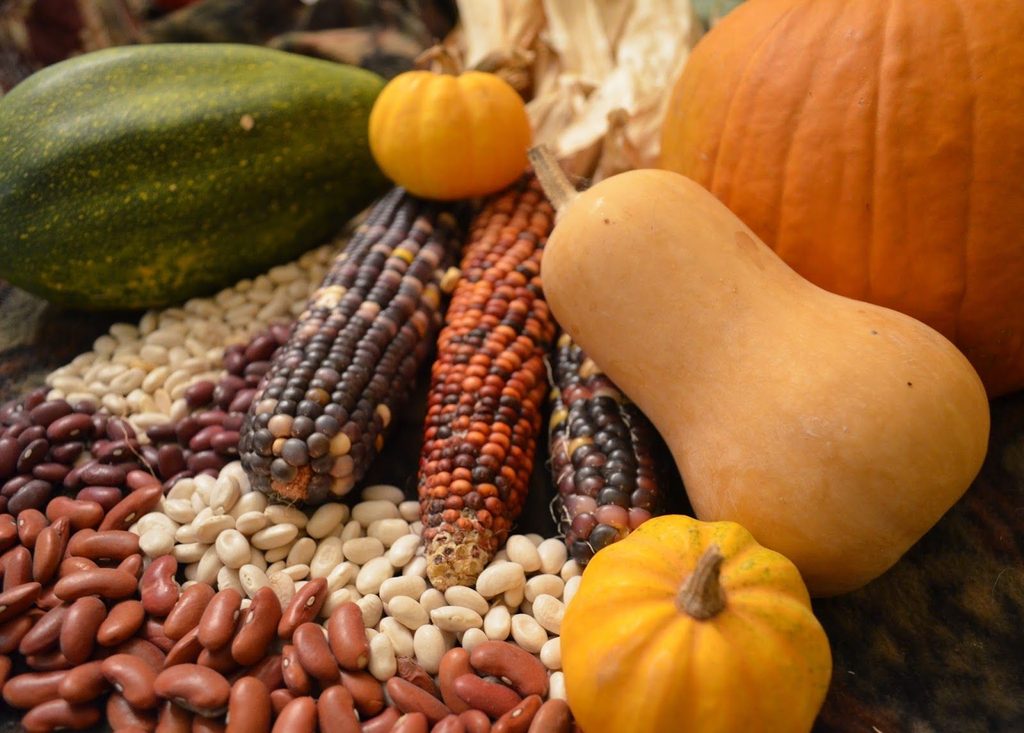
Beans complemented maize perfectly, creating a complete protein. Combined with corn, beans provided all essential amino acids. Aztec commoners ate a predominantly vegetarian diet, occasionally flavored with meat or fish.
Squash: The Third Sister
The three crops worked together—maize, beans, and squash. This wasn’t accidental; the Aztecs understood companion planting centuries before modern agriculture formalized the concept.
Everyday Aztec Foods: The Aztec Larder
Understanding everyday Aztec food reveals what commoners actually ate versus the elite.
Vegetables and Fruits
The Aztecs ate avocados, often in the form of guacamole—which word comes from the Nahuatl ahuaca-mulli, a combo of “avocado” and “sauce.” They also ate cactus paddles, jicama, manioc, sweet potatoes, amaranth, and over 700 different kinds of squash.
Additional produce included tomatoes, onions, guavas, and papayas. The variety was staggering—their botanical knowledge allowed them to cultivate and identify hundreds of food plants.
Aquatic Aztec Foods: The Lake’s Bounty
The Aztec food diet included a variety of fish and wild game: various fowl, pocket gophers, green iguanas, axolotls (a type of amphibian, much like a salamander), a type of crayfish called acocil, and a great variety of insects, larvae and insect eggs.

The Aztecs also harvested Spirulina, the blue-green algae now sold as a health food, which was made into dried cakes. They collected this protein-rich algae from Lake Texcoco and formed it into nutritious cakes—a practice that predates modern “superfoods” by 500+ years.
Insects: Protein of the People
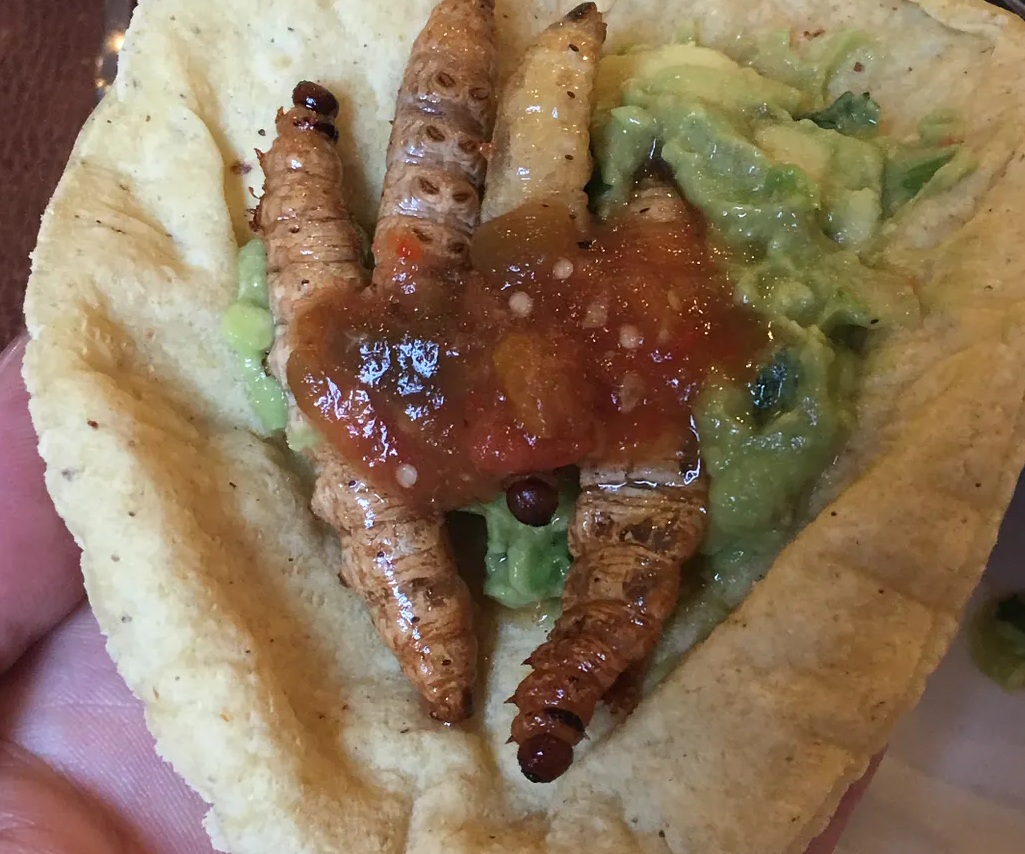
Edible insects like maguey worms and escamoles (ant larvae) were harvested, along with water fly larvae and water beetle eggs, showing the wide range of foods in the Aztec diet.
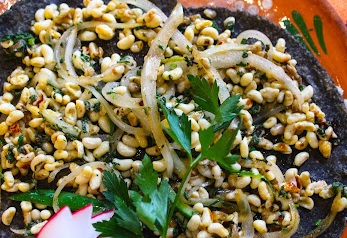
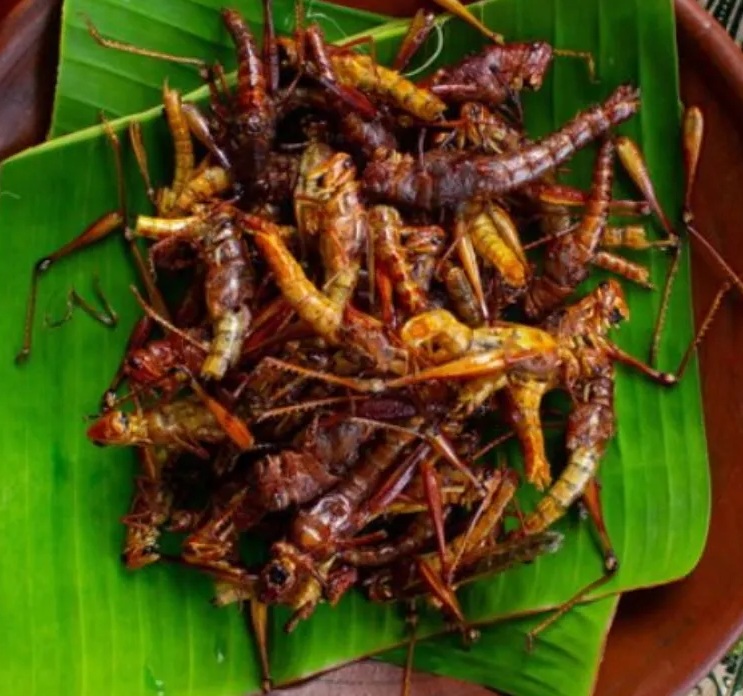
Even now, some of these insects are considered delicacies in parts of Mexico. Grasshoppers alone provided substantial protein and were easily harvested during certain seasons.
Reptiles and Amphibians
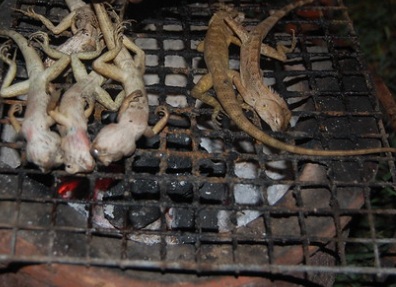
Yes, green iguanas were eaten along with rabbits, birds, frogs, tadpoles, salamanders, and pocket gophers as Aztec food sources. The Aztecs also ate armadillo, pocket gopher, weasels, rattlesnakes, mice, and iguanas as well as deer, turkeys, and dogs.
Domesticated Animals
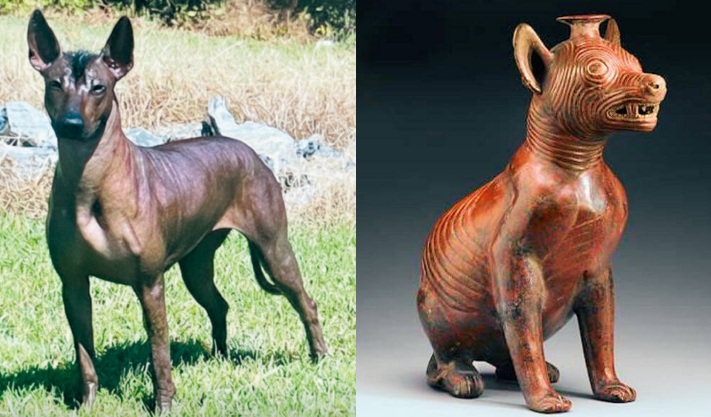
Turkeys and ducks were the only animals the Aztecs took steps toward domesticating. There’s also evidence that they ate domesticated dogs on special occasions, but most of their other meat was hunted.
Dogs were consumed on special occasions —the xoloitzcuintle (Mexican hairless dog) was one such breed. However, Aztec farmers raised turkeys, dogs and duck for meat and eggs, but they also hunted and fished, which brought deer, iguana, rabbit, fish and shrimp to the table.
Fungi and Specialty Items
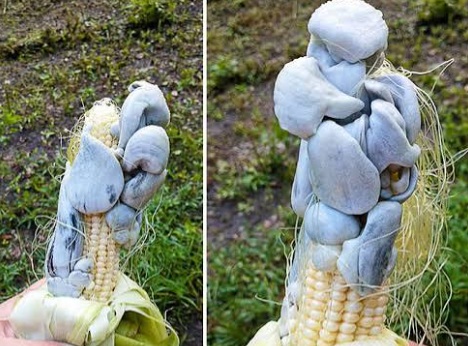
Wild mushrooms and other fungi were added to many dishes, including Huitlacoche—a mushroom which grows on ears of corn. This parasitic fungus transformed corn into a delicacy, showing Aztec innovation in transforming what others might discard.
Aztec Food and Class: Status and Power
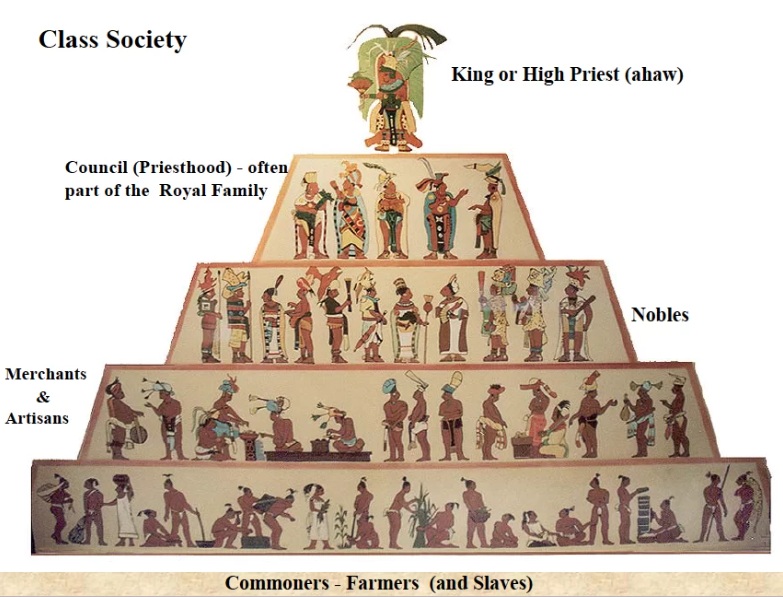
Aztec food access was strictly controlled by social class, making what you ate a direct reflection of your status.
The Commoner’s Diet
Aztec commoners ate two meals a day. They ate the first meal after a few hours of morning work, usually a maize porridge with chilies or honey or perhaps tortillas, beans and sauce. They ate the main meal of the day at the hottest time of the day, in the early afternoon.
Common foods centered on maize, beans, vegetables, and occasional protein from insects, small game, or fish. Meat was a luxury, not routine.
The Elite’s Advantage
They had access to a wider range of foods, including imported items like cacao and exotic game. They ate special foods such as frog and salamanders, along with insects such as maguey worms.
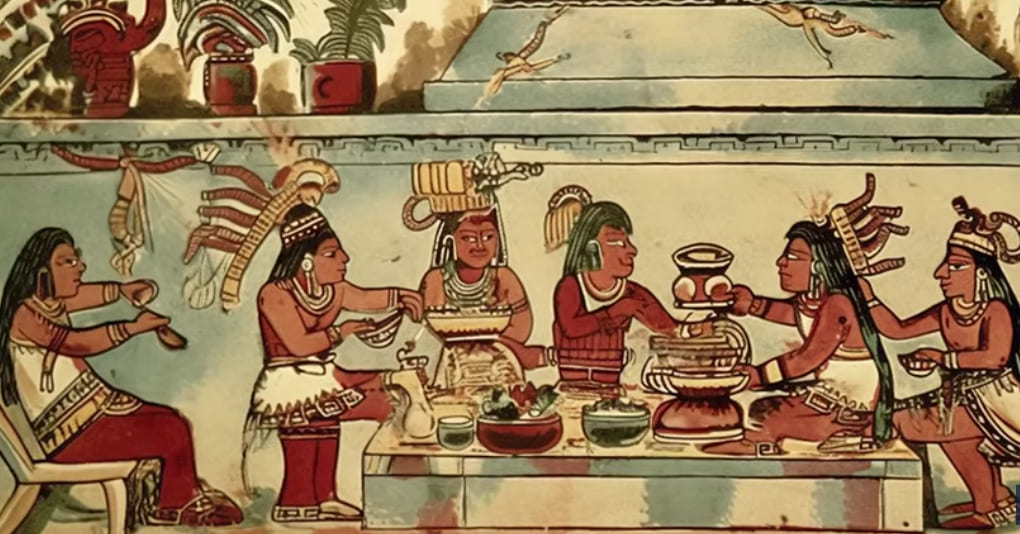
Nobility feasted on turkey, deer, and cacao. Aztec feasts were a display of material culture and wealth—notes by Friar Bernardino de Sahagún and Friar Diego Durán describe Aztec feasts as events where “everything was to be created in abundance”.
Served at these feasts was octli (pulque), chocolate, bird, fruit, seeds, and other foods.
Aztec Food’s Treasure: Cacao—The Bean That Built Empires
Among all sources of Aztec food, cacao held the most extraordinary value and power.
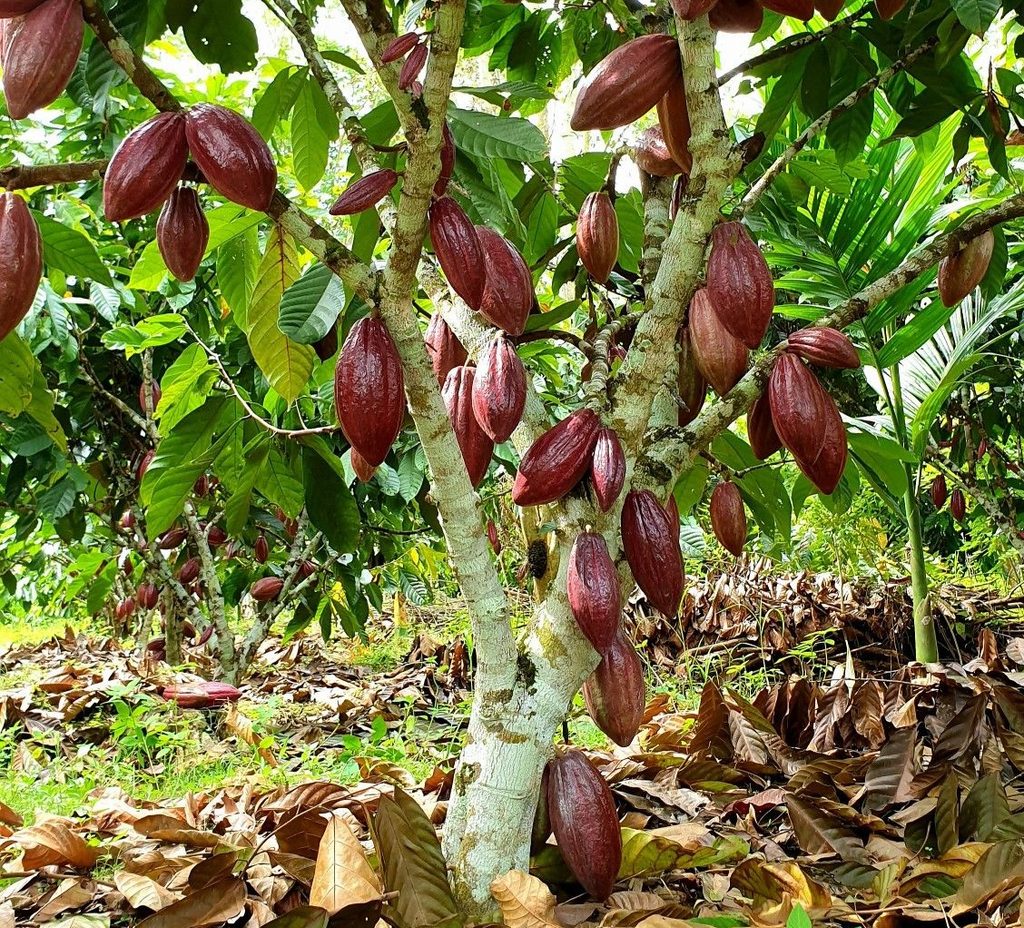
Cacao deserves its own section because it was far more than food—it was currency, politics, and power.
Why Cacao Was Invaluable
One reason the beans were so valuable is that the Aztecs could not grow the tropical cacao tree in the temperate highlands near their capital. Cacao beans became the object of both trade and war.
The Economics of Chocolate
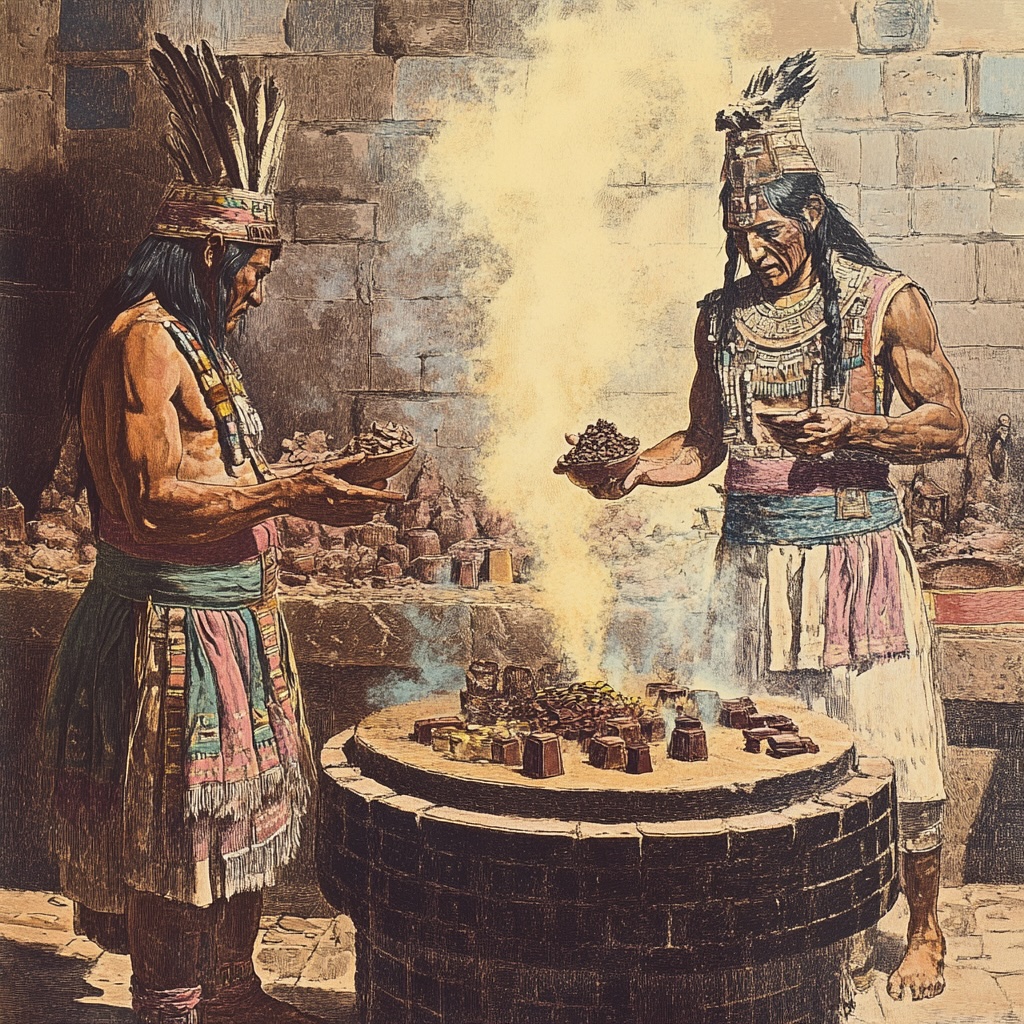
Among the Aztecs, cacao was made into a beverage, and the cacao beans were also used as a currency. For example, a rabbit cost 4 cacao beans, a slave 100 beans.
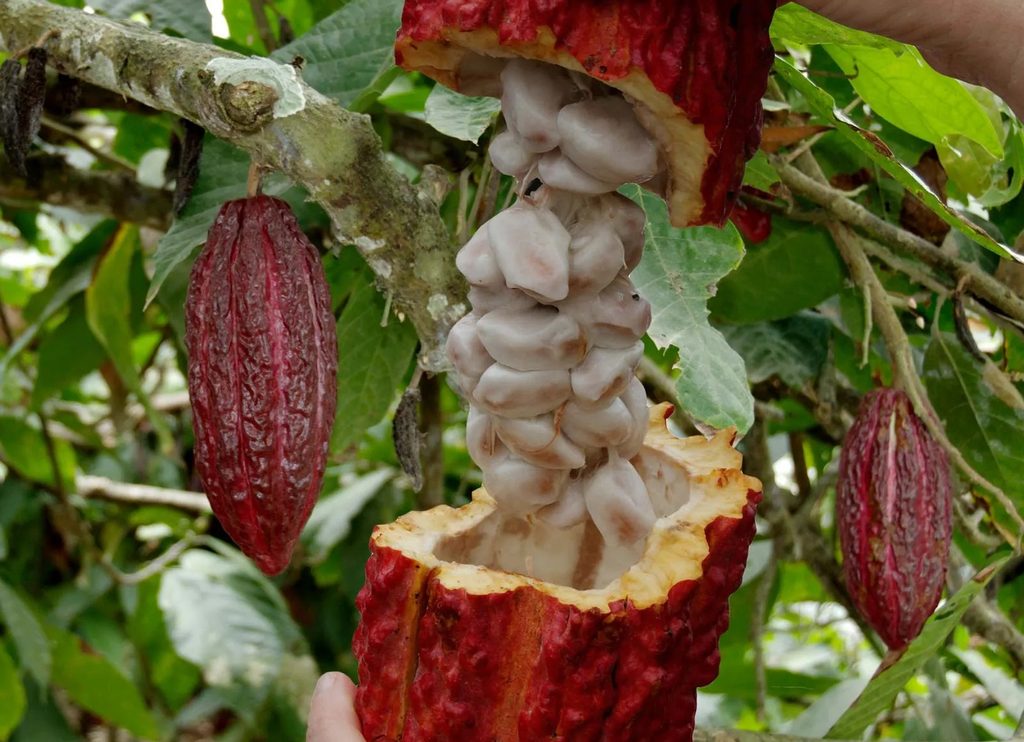
This tells us everything about Aztec priorities. A human being was worth 100 beans—astronomical value. A single rabbit, 4 beans. Chocolate wasn’t a treat; it was wealth.
Trade Networks and the Pochtecas
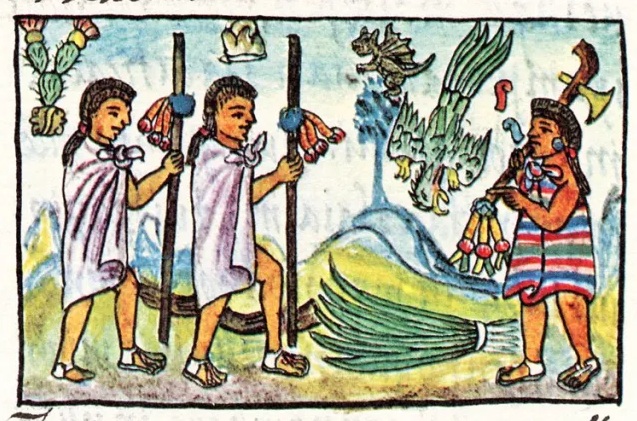
The only way the Aztecs could get cacao beans grown in the huge Chontalpan cacao plantations was by traveling to the Chontalpan trading city of Xicallanco, which drew long distance traders from all over Mesoamerica.
Aztec society was very stratified and the pochtecas enjoyed a high rank. They often traveled through hostile territory to reach the markets where they purchased luxury goods for the royal house and the nobility.
The pochtecas—merchant adventurers—risked their lives traveling through enemy territory to obtain cacao for the elite. They were spies, traders, and warriors combined. Their status reflected the value of what they traded.
Religious Significance
Xocolatl had a great religious importance for the Aztecs and was used in ceremonies where offerings were made to the gods. According to the Aztec religion, cacao came to humans with the god Quetzalcoatl, who was worshipped as a god by the Toltecs during the period 800–1100 CE.
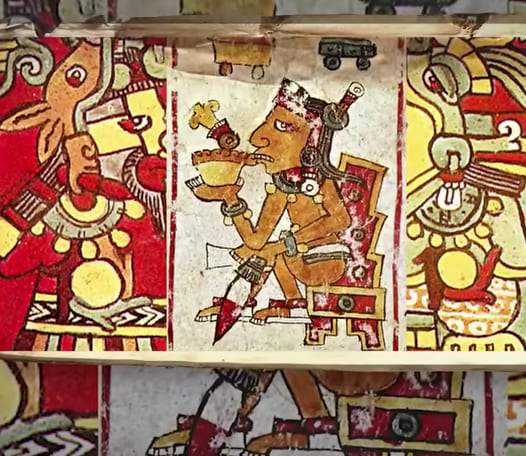
Cacao wasn’t just elite luxury—it was divine.
Aztec Food’s Sacred Drink: Xocolatl
What It Really Was
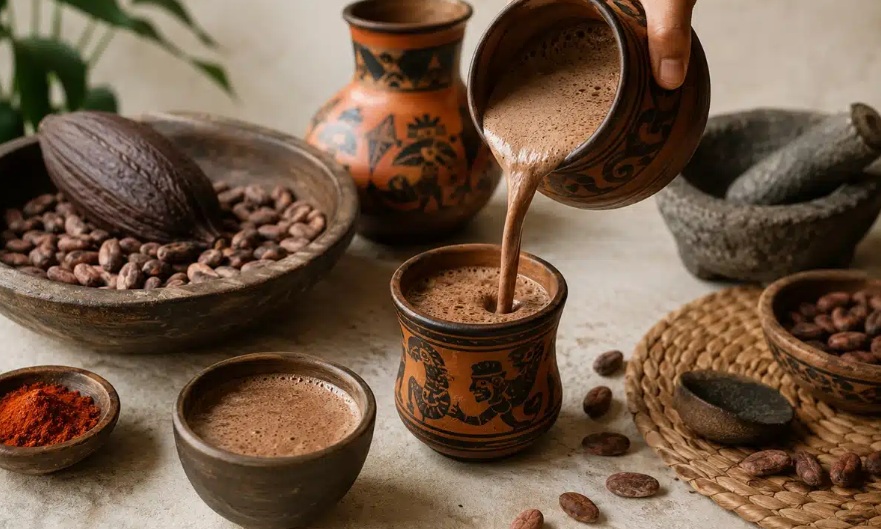
Xocolatl (pronounced “sho-ko-LAH-tul”) was not the hot chocolate we know today. It was a bitter, spicy, ceremonial beverage reserved for nobility and sacred rituals.
The Aztecs made a spicy drink by mixing chocolate and chillies called xocolātl (spicy water). Fermented cocoa, vanilla, annatto, honey and chillies were mixed with water to make a spicy, bitter drink that was frothy and thick.
Why No Milk?
Mesoamericans did not use milk or sugar in their chocolate drinks. Dairy animals didn’t exist in pre-Columbian Mesoamerica. The drink was water-based, not a cream-based indulgence.
Why No Cinnamon?
Cinnamon is included in many modern xocolatl recipes, but is not native to Central America and was only brought to the region by the Spanish. Any authentic Aztec recipe using cinnamon is historically inaccurate.
Authentic Xocolatl Recipe
Ingredients:
- 5-6 heaping tablespoons unsweetened cacao powder (or fermented cacao paste, finely ground)
- 6 cups water
- 2 jalapeño peppers or other green chilis (finely chopped)
- 1 vanilla stick
- 2-3 tablespoons honey (optional—authentic versions were often bitter)
- Pinch of annatto (optional—adds earthy flavor and color)
Preparation:
- Bring 3 cups water to a boil
- Add the vanilla stick and chopped chilis
- Simmer for 3-4 minutes to infuse
- Strain and set aside
- In a separate pot, bring the remaining 3 cups water to a boil
- Mix cacao powder with a little cold water to form a smooth paste
- Slowly add the paste to boiling water, stirring constantly (1 tablespoon at a time)
- Pour in the chili-vanilla infused water
- Add honey if desired (omit for more authentic bitter version)
- Stir vigorously to create a frothy top (Aztecs valued the foam)
- Serve hot (or cold, as Aztecs sometimes did)
Notes:
- The chili kick was essential—xocolatl was meant to be spicy and warming
- The frothy texture was a sign of quality
- Elite versions sometimes included blood as part of ceremonial consumption (see below)
Aztec Food’s Darker Realities: When Food Met Fate
The darker aspects of Aztec food culture reveal the brutal realities behind the empire.
Times of Scarcity
The Aztec diet’s diversity existed partly because food security wasn’t guaranteed. The Aztecs had available and consumed a much larger variety of foods than we do.
During droughts or famines, every available protein source became essential—insects, reptiles, small game, amphibians. The breadth of their diet reflected necessity as much as innovation.
Ritual Cannibalism: The Unsettling Truth
The Aztecs did practice cannibalism. But understanding why is crucial.
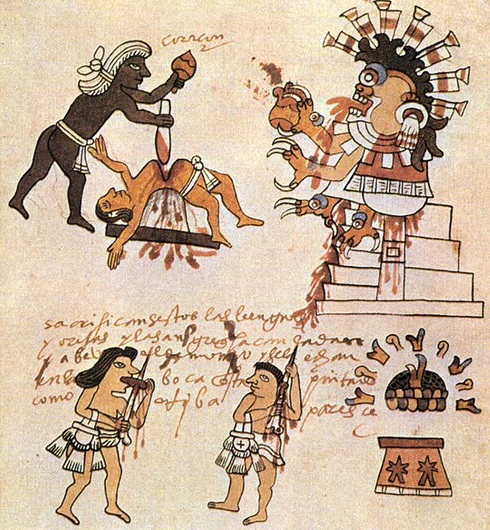
It is generally accepted that human sacrifice was a part of Aztec culture—even an integral part of Aztec religion. Ritual cannibalism and human sacrifice took place as part of specific ceremonies.
What it was NOT:
- Cannibalism was not practised by commoners and was not part of the regular Aztec diet.
- Not a survival mechanism during famine
- Not casual or everyday
- Not a source of regular protein
What it actually was:
Consuming the flesh of a person offered to the gods was like communing with the gods themselves. Ritual cannibalism would have been considered not only normal but a great honor.
Prisoners of war were favored as victims—the expanding Aztec Empire saw human sacrifice as an act of intimidation. The prisoners were kept in ad hoc cells and, over the course of the following weeks, killed and cannibalised in ritual ceremonies.
The religious framework:
In Aztec cosmology, the gods had sacrificed themselves to create humanity. Ritual cannibalism was a reciprocal act—humans returning the sacrifice to sustain the gods and maintain cosmic balance. It was theology made flesh, literally.
The greatest amount of cannibalism coincided with times of harvest. This wasn’t coincidental—ceremonial consumption happened during times of abundance and celebration, not scarcity.
Aztec Food’s Legacy: Then and Now
Modern Mexican cuisine is built directly on the foundation of Aztec food traditions.
The Aztec Food diet influenced modern Mexican cuisine profoundly. Dishes such as tortillas and tamales, together with pozole, can be traced back to Aztec cooking.
The Three Sisters (corn, beans, squash) remain central to Mexican cooking. Tomatoes, avocados, chilis, chocolate—all Aztec foods that have become global staples.
The Aztecs didn’t just eat; they understood nutrition, agriculture, and ecology in ways that advanced civilizations took centuries to match. The Aztec Food system sustained millions in a complex empire.
Sources:
- Florentine Codex (Bernardino de Sahagún, 1569)
- World History Encyclopedia and History Crunch
- National Geographic and History Hit
- Aztec Codices and archaeological research
- Academic studies on Aztec diet, agriculture, and culture