Exploring the History, Culture, and Legacy of the Aztec Empire
Few civilizations have captured the human imagination quite like the Aztecs. At the height of their power, the Aztec Empire was one of the largest and most sophisticated societies in the ancient world .
Home to a capital city that dwarfed contemporary European capitals in size and complexity, a calendar system more accurate than those used in medieval Europe, and a culture that produced remarkable achievements in architecture, astronomy, mathematics, art, and cuisine.
Their story — from humble origins as a wandering tribe to the rulers of a vast empire, and ultimately to the Spanish conquest that ended their world — is one of the most dramatic in human history. This site explores that story in depth.
Latest Posts:
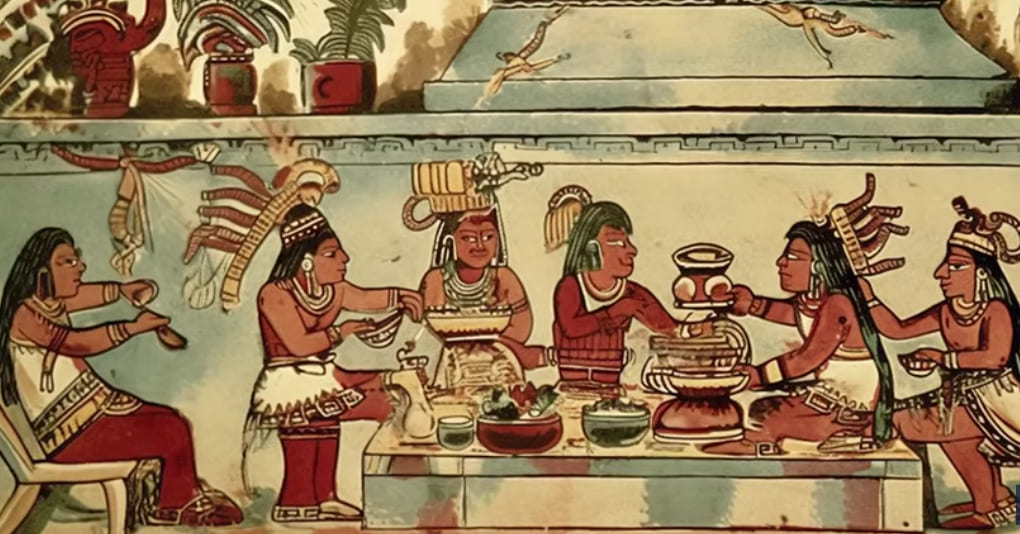
Aztec Food: 3 Shocking Realities—Flavors, Class Divisions, and Darker Truths
The Aztec diet reveals far more than what people ate—it exposes their social hierarchy, religious…
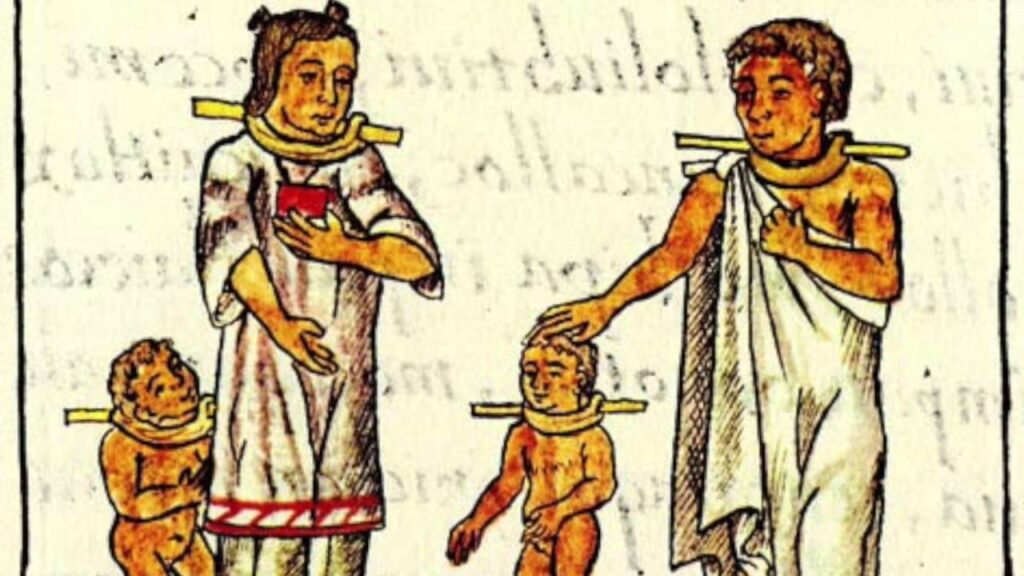
Understanding Aztec Slavery: Rights and Realities
Slavery in Aztec Society: A Distinct System Aztec slavery differed fundamentally from the Atlantic slave…
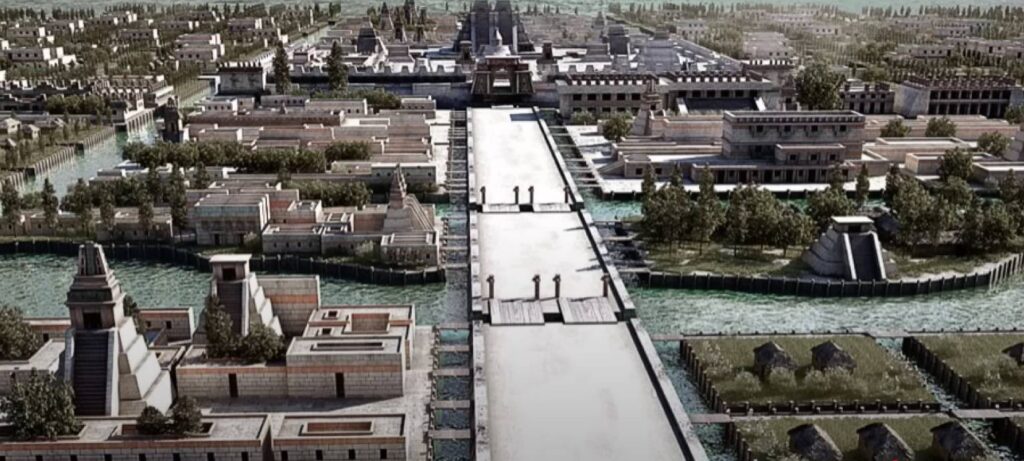
Aztec Houses: Homes of a Legendary Civilization
From the poorest hut to the great palace, Aztec houses reveal the everyday life of…
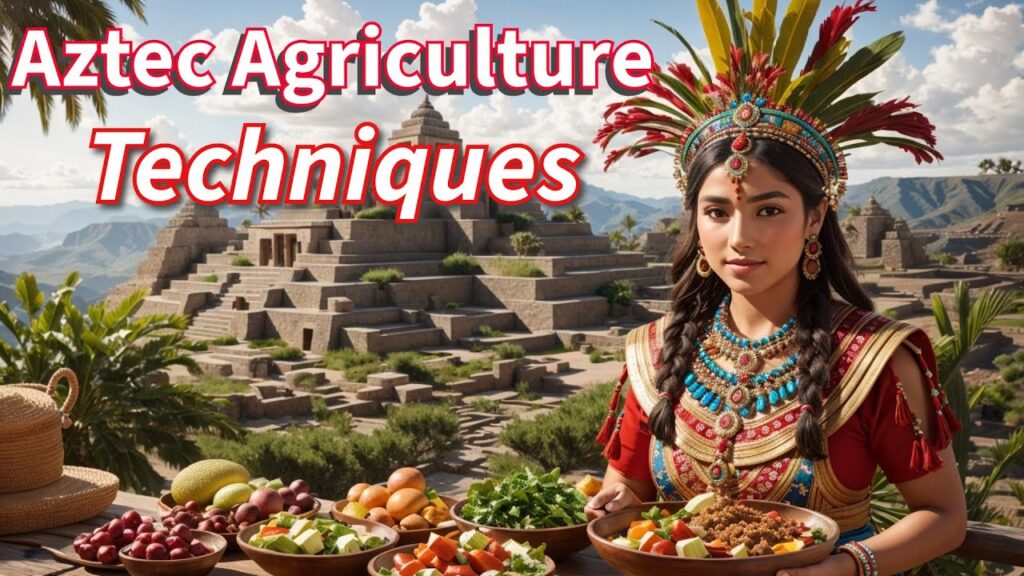
Did The Aztecs Use Agriculture On Terraces?
The Aztecs were master engineers who transformed their mountainous landscape into one of the world’s…
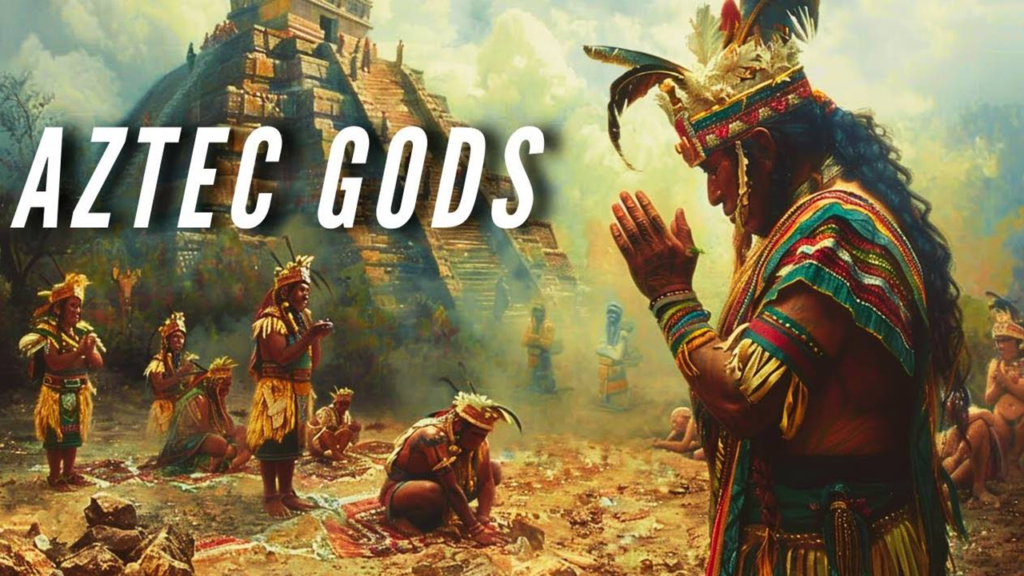
How Many Gods Did The Aztecs Have ?
How Many Gods Did the Aztecs Have? Recognising Their Vast Pantheon To fully understand the…

Temples of the Aztecs: Heart of Ancient Rituals & Culture
Aztec temples were typically part of a stepped pyramid and usually faced west. A stairway…
The Rituals, the Sacrifices, and the Myths
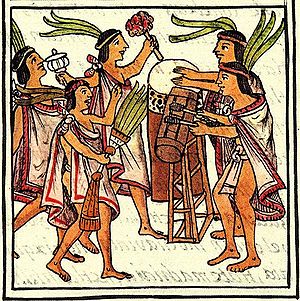
The Influence of Religion
Religion wasn’t a separate part of Aztec life — it was the foundation of everything. Every aspect of daily existence, from farming and warfare to art and architecture, was connected to the gods and the cosmic order they governed. The Aztecs didn’t simply believe in their gods — they organized their entire civilization around serving them.
Life as a Constant Battle
For the Aztecs, life demanded constant effort and discipline. Men farmed, built, crafted weapons, and fought wars. Women managed households, raised children, and produced the textiles and food that kept the empire running. Every role — however humble — was understood as a contribution to the larger cosmic balance that kept the sun rising and the rains coming.
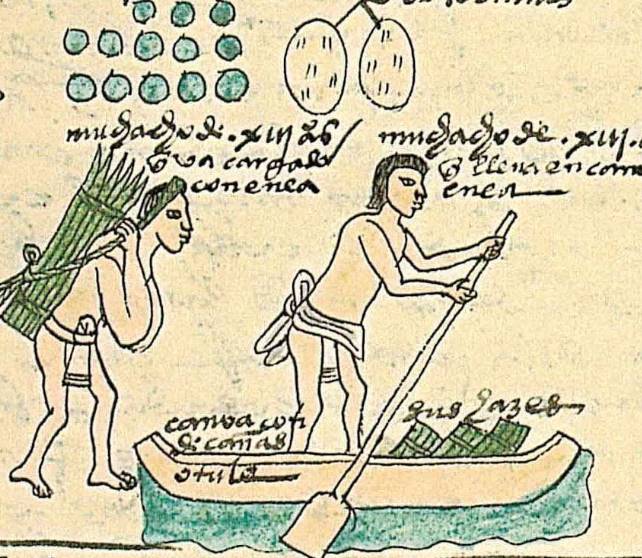
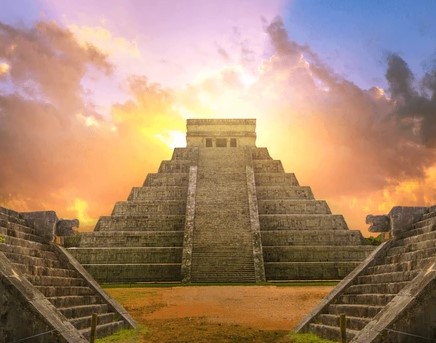
TEMPLES
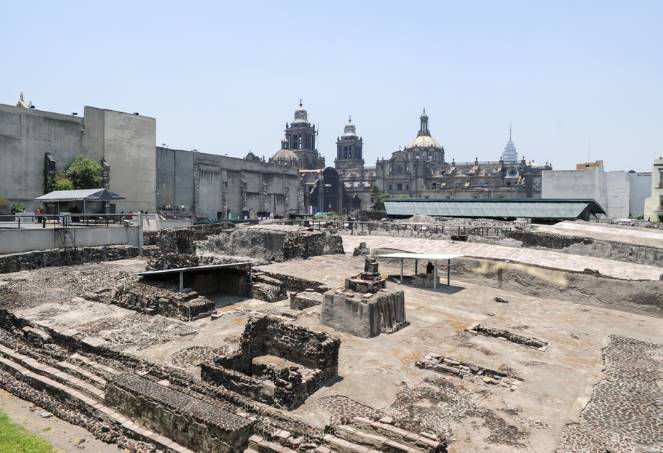
The temples of the Aztec Empire are among the most enduring symbols of their civilization. Built with extraordinary precision and on a monumental scale, they served as the physical meeting point between the human world and the divine. The Templo Mayor in Tenochtitlán — the great double pyramid at the heart of the Aztec capital — remains one of the most significant archaeological sites in the Americas, still being excavated and studied today.
A Reflection of Simplicity and Balance
Despite the grandeur of their empire, daily Aztec life had a practical simplicity rooted in clear social roles and shared responsibilities. Men farmed, built, crafted, and fought. Women managed households, prepared food, and produced clothing. Children attended schools — the Aztecs operated one of the earliest known systems of compulsory public education in the world — mandatory for all children regardless of social class, with separate schools serving noble and commoner students alike — where they learned history, religion, astronomy, and the skills of their future roles. Recreation mattered too: sport, music, and games were woven into the fabric of everyday life.
Scientific Breakthroughs and a Story of Power and Downfall
The Aztec civilization produced remarkable intellectual achievements — two sophisticated calendar systems, advanced mathematics, a complex understanding of astronomy, and architectural engineering that allowed them to build a city of hundreds of thousands of people on a lake. Their story is also one of dramatic rise and devastating fall: from a wandering tribe with no homeland to the rulers of a vast empire, and ultimately to the Spanish conquest of 1521 that ended their world within two years. It is one of the most extraordinary stories in human history — and it is told throughout this site.
Subscribe
Special Thanks:
We would like to express our sincere gratitude to the government of Mexico and the government of Mexico City for their invaluable support, collaboration, and funding of our AztecAlliances website. Their commitment to the preservation and dissemination of the legacy of the Aztec empire has been fundamental to the development of our platform.
Thanks to their support, we have been able to deepen research, education, and outreach on the rich history and culture of the Aztecs, bringing this heritage to a wider audience. Your dedication to culture and history inspires us to continue working to promote our roots and traditions. Thank you for being part of this significant journey!